August 4, 2025 · 6 min read
Russ has opinions. I have different opinions. The wine, frankly, has the final word.
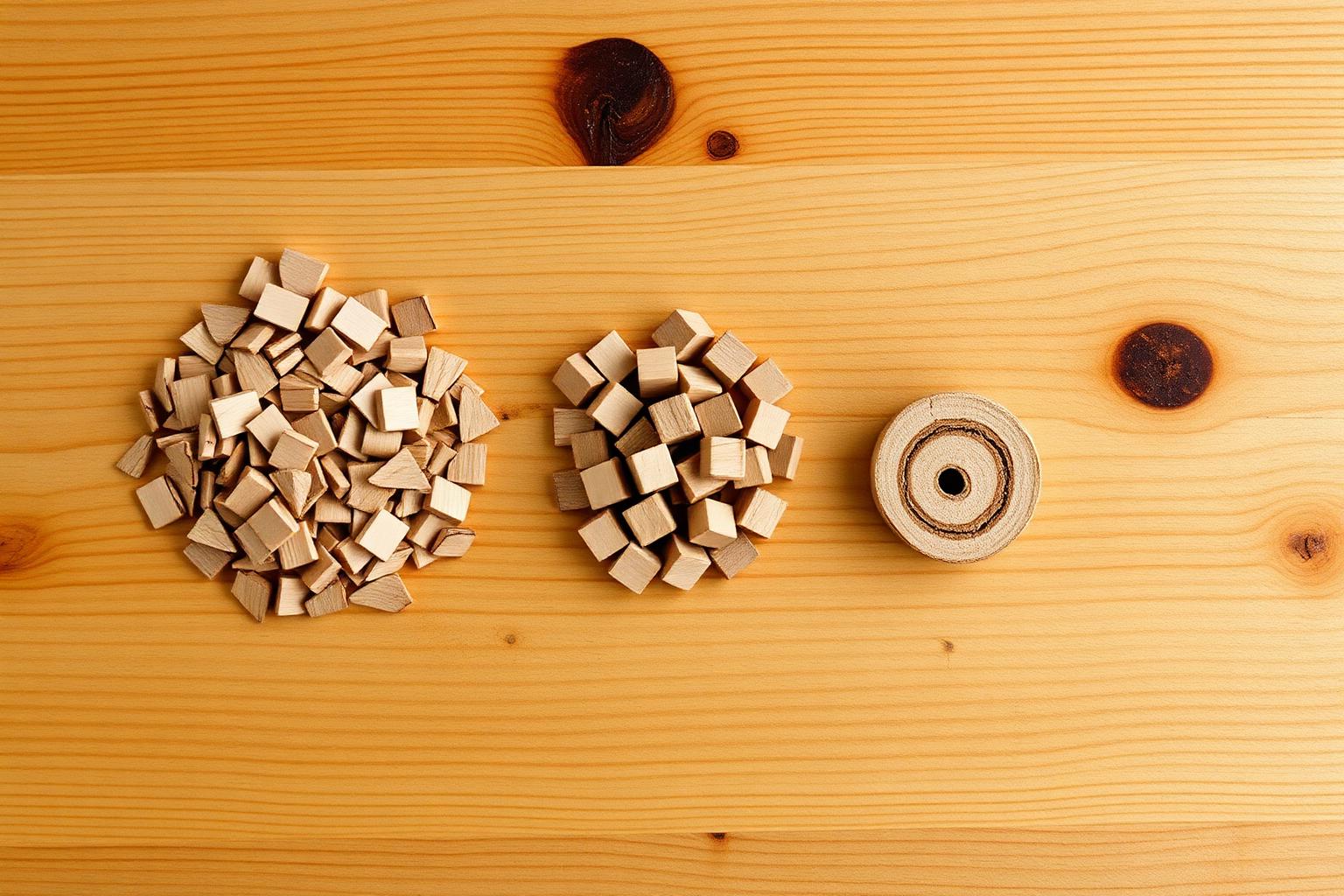
Russ believes in oak cubes. I believe in oak spirals. We have, more than once, had a calm and adult conversation about this in the basement that ended with one of us muttering something about 'extraction surface area' under his breath while sanitizing a carboy. We are both, in our way, correct.
Here is the actual case for each, written by the side that disagrees with the side that wrote the case. So you can decide for yourself, free of either of our agendas. Mostly free. Mostly.
First: why oak at all
Most kit wines come with a small bag of oak in the box. The instructions tell you to dump it in. You dump it in. You don't think about it. You should think about it.
Oak does three things to wine. It adds vanilla and toast notes. It softens tannins by introducing micro-oxidation. And it gives the wine a sense of structure that, without it, can read as 'thin' or 'just grape juice that drank a beer.' This is why almost every red wine you've ever liked spent some time on oak.
The case for oak chips
Chips are small, fast, and cheap. Maximum surface area to volume ratio means they extract their flavor in two to three weeks. They are perfect for kit wines on a four-to-six-week timeline. The downside: chips can easily over-extract and give you that 'lumber yard' note that means you went too far. They demand attention.
Chips are what comes in the kit. Chips are fine. If you do nothing else and just use what's in the box, you will get oak. It will be a little sharp and a little fast, but it will be there. We are not anti-chip. We are pro-thinking-about-the-chip.
Russ's case for oak cubes
(I am letting Russ write this section. — Todd)
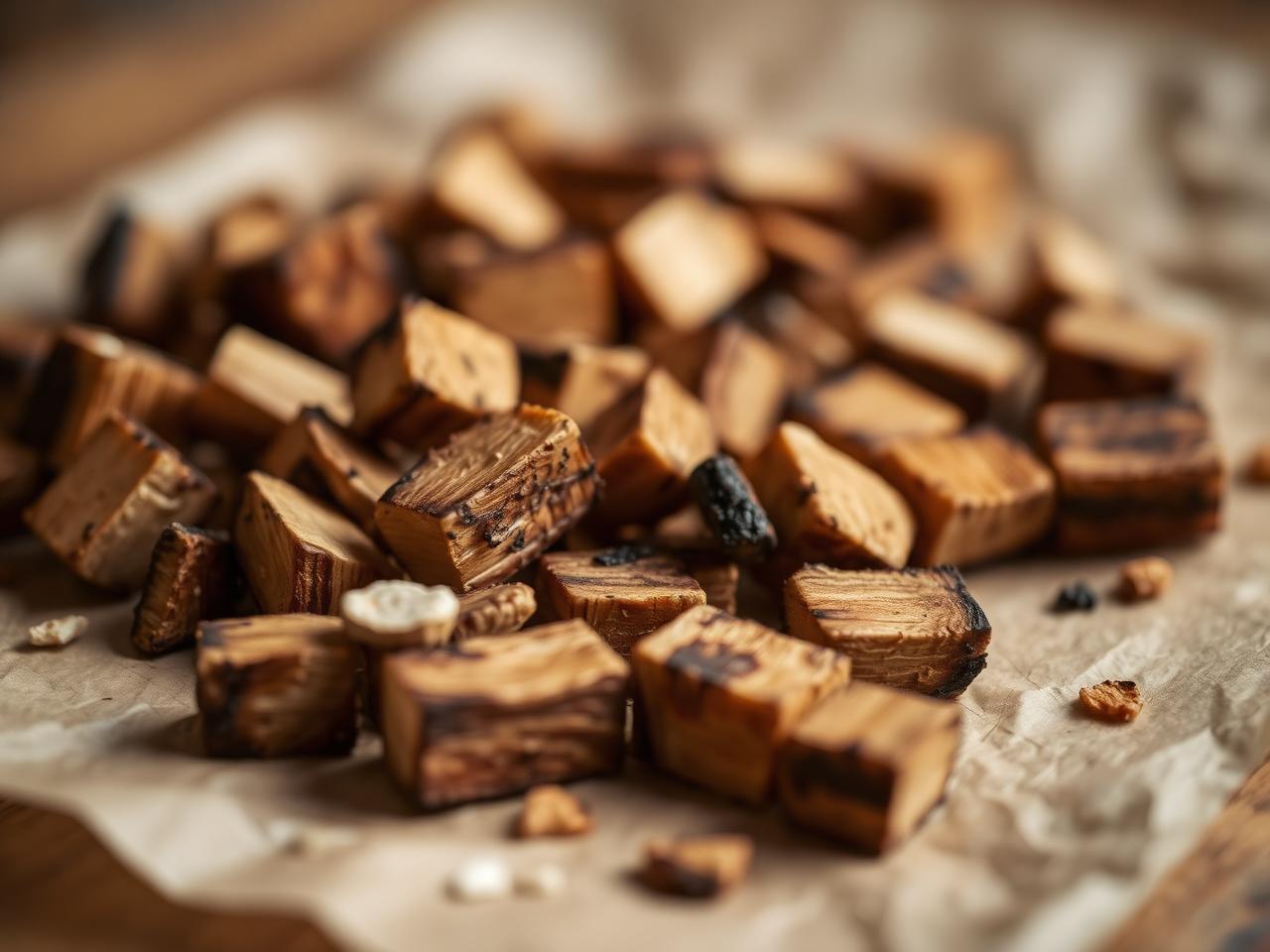
Cubes are the right answer. They extract slowly — six to twelve weeks — which means you get the rounder, deeper oak notes without the sharp 'just-cut-wood' edge that chips can give you. They sink. They stay put. You can leave them in for a long aging without the wine going wood-bitter. The result is a wine that tastes like it spent some time thinking about itself. — Russ
Todd's case for oak spirals
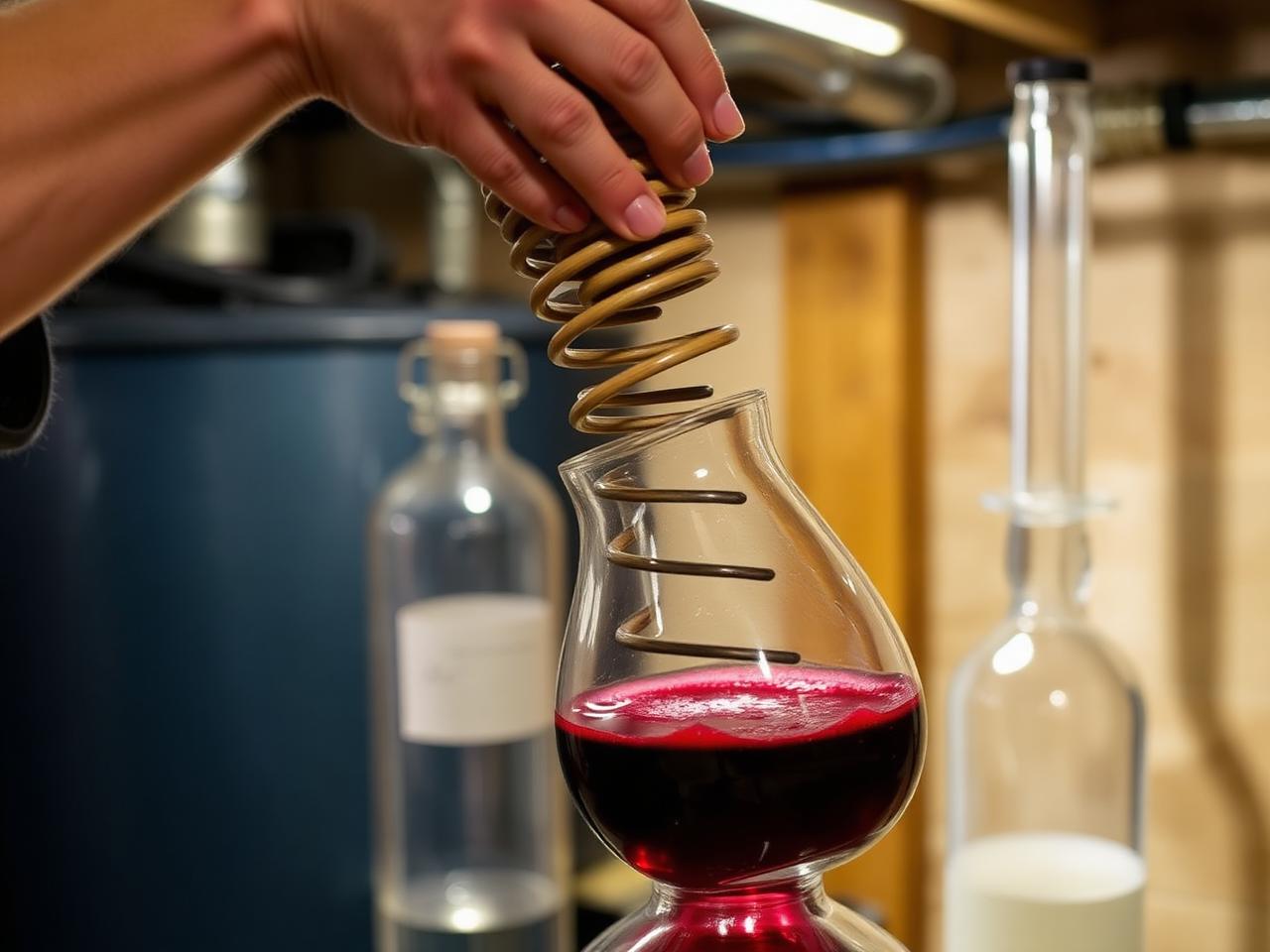
(My turn.) Spirals are the most predictable form of oak you can buy. They're machine-cut to the same surface area every time, which means batch-to-batch consistency is excellent. They take about six weeks. They're easy to remove cleanly when you're done. And — this is the part Russ won't admit — they don't require fishing tiny floating chunks out of a carboy with a sanitized stick. The spiral comes out as one piece, like a civilized adult.
What the wine actually thinks
We have done blind side-by-side comparisons of the same kit, finished with chips, cubes, and a spiral. Karen and Becky did the tasting. They could tell the chip-finished wine apart almost every time — sharper, less round. They could not consistently tell the cubes from the spiral. They could tell us both, repeatedly, that we were taking this entire thing too seriously.
“They both taste like wine. You both made wine. Why are we still talking about the wood.”
The actually useful advice
Pick one. Stay with it for three batches. Take notes. Then try a different one. Oak is a long game played in small differences, and the only way to learn what you like is to drink your way through a few versions of it. Almost any choice will produce wine that is better than no oak at all. The argument between cubes and spirals is, in the end, a wonderful excuse to make more wine. Which is the actual point.
ShortcutSee Russ's full beginner supply bundle — every item, best price.