March 26, 2025 · 6 min read
It's a glass stick. It floats. It tells the truth. We can work with this.
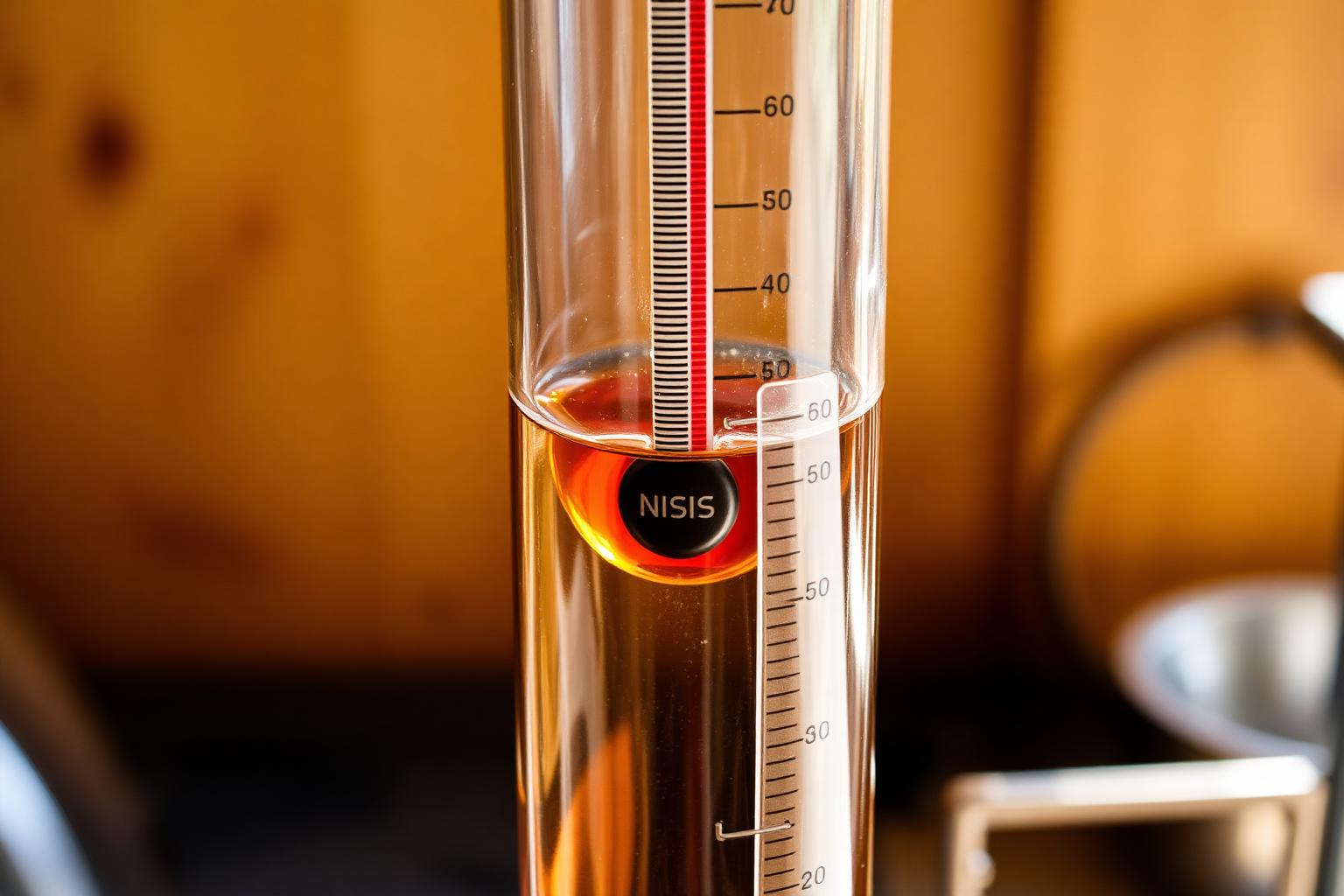
A hydrometer is a glass stick with numbers on it. You drop it in your wine, it floats, and where the wine line crosses the scale tells you how much sugar is left in the liquid. That number tells you whether fermentation is finished. That's the whole job. There is no chemistry exam at the end.
And yet. The first time I used one, I held it up to a 60-watt bulb in Russ's basement, squinted at three sets of numbers, looked at Russ, and said, out loud, 'I don't know which line is which.' Russ — I will never forget this — said, 'Yeah, me neither, give it here,' and proceeded to also not know. We were two grown men holding a glass tube and quietly losing.
What the three scales actually mean
Most hydrometers have three scales printed on the same paper insert. Specific Gravity (the one that says 1.000, 1.050, 1.090). Brix (the one that says 0 to 30-ish). Potential Alcohol (the one with the percentages). They all say the same thing in different languages. You only need to learn one. We use Specific Gravity. The rest of this post does too.
How to actually take a reading
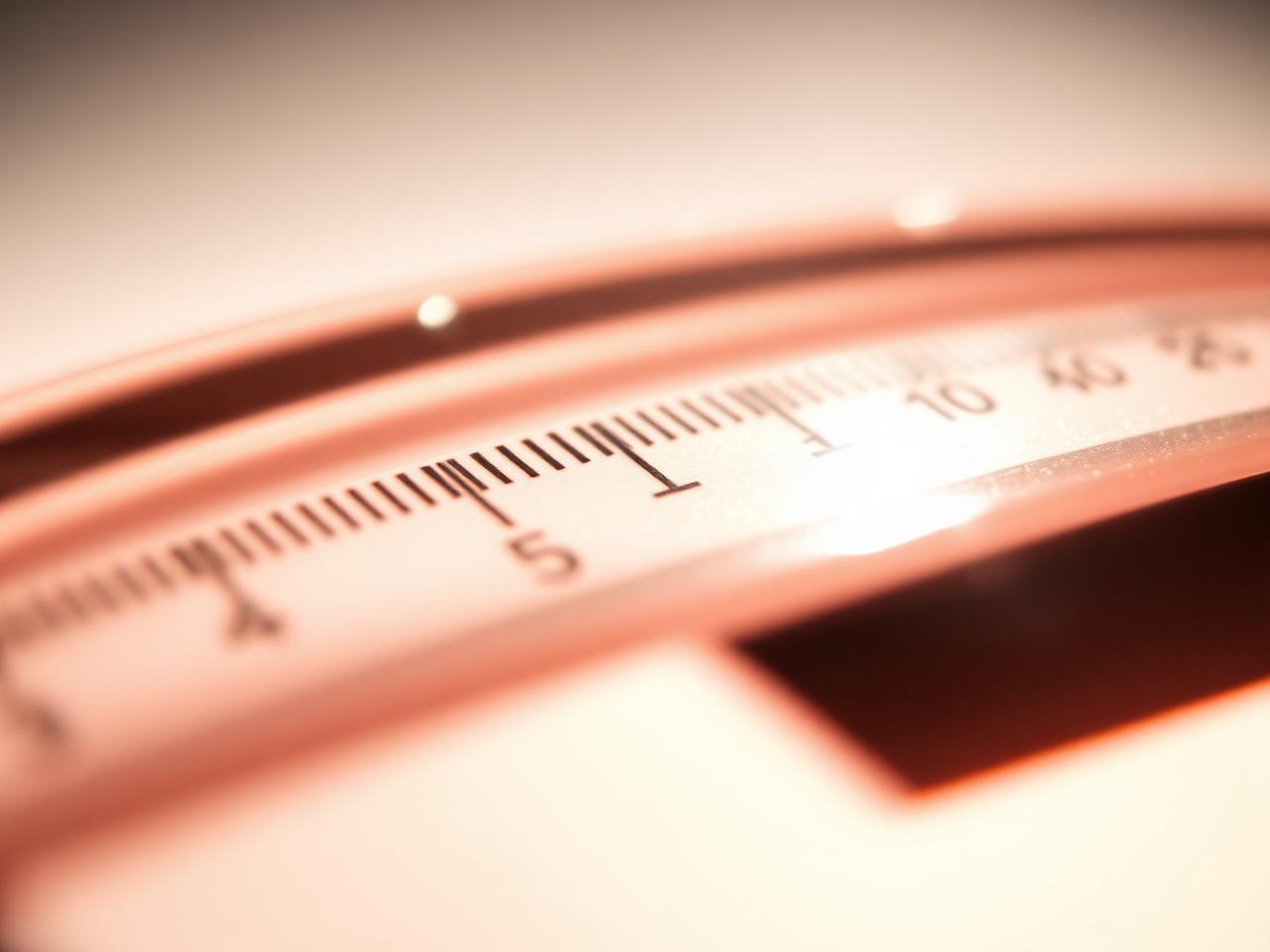
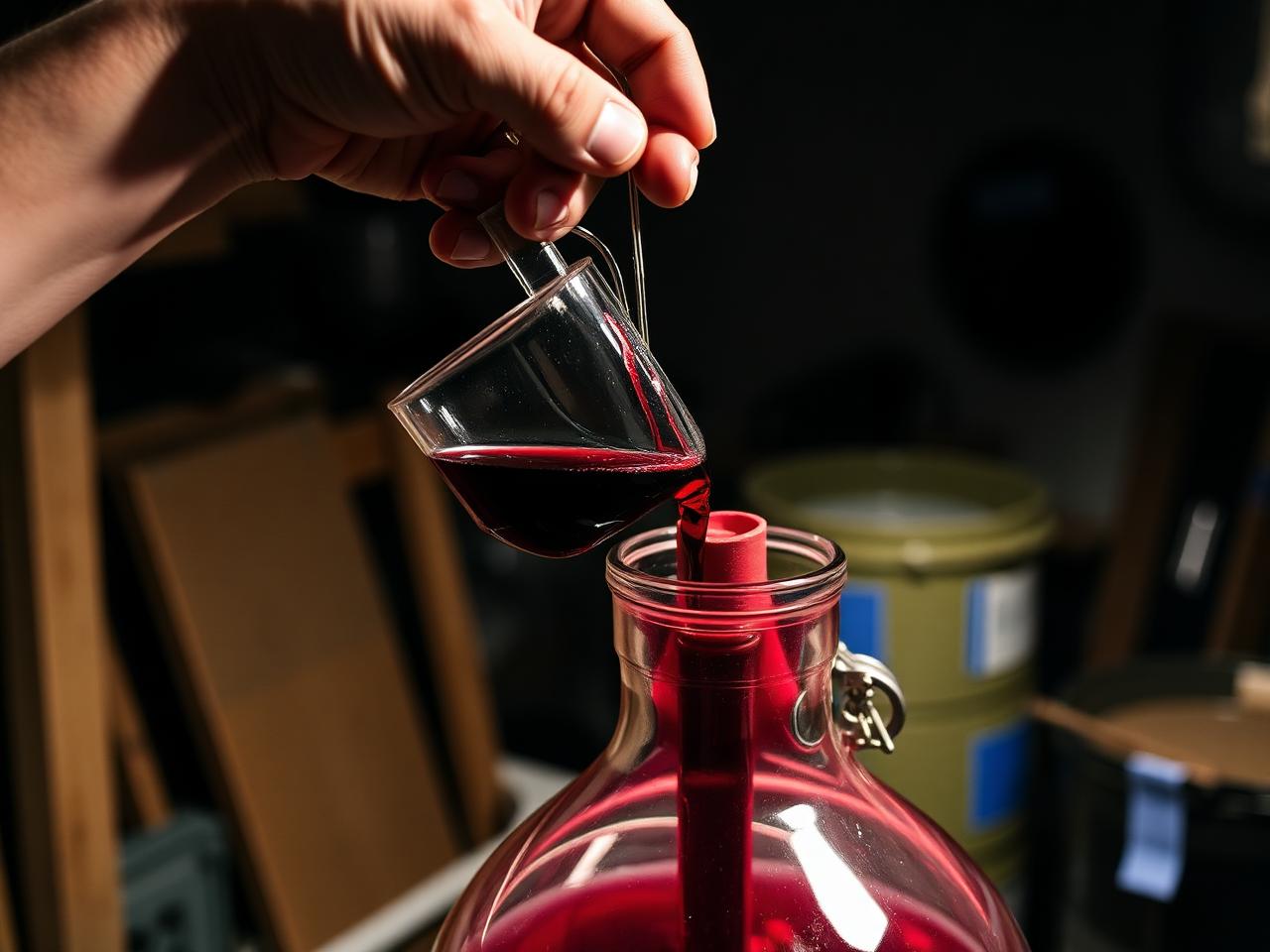
Sanitize the wine thief and the test cylinder. Draw a sample from the carboy with the thief — about 200ml is plenty. Pour it gently into the test cylinder. Drop the hydrometer in with a little spin so any air bubbles release from its sides. Let it settle.
Now here is the part nobody tells you: read at eye level, and read at the bottom of the meniscus. The wine will curve up the sides of the hydrometer where it touches glass. Ignore that curve. The number you want is the flat line in the middle, where the wine actually sits. Crouch down so it's level with your eyes. Squint. Read.
What the numbers mean for your batch
Day one of fermentation, your reading will be somewhere around 1.080 to 1.100. That is sugary, unfermented wine. A few weeks later, when the kit instructions say to check it, you want to see 0.998 or lower. Anything below 1.000 means fermentation is finished and the yeast has eaten essentially all the sugar. If you take two readings 48 hours apart and they are the same — you are done. If they're still moving, give it more time.
That's it. That is the whole skill. The hydrometer is not lying, it is not broken, and it is not subjective. It floats. It tells the truth. The hardest part is trusting it more than you trust your impatience.
“If the hydrometer says it's done, it's done. Even when your gut says give it three more days.”
When NOT to bother taking a reading
During active fermentation — those first five to ten days when the airlock is bubbling like a coffee pot — leave the wine alone. Every time you open the carboy you are giving it a chance to catch something it shouldn't. Trust the kit timeline for the first reading. Then take readings only when you actually need to make a decision.
And one last thing. Do not put the hydrometer back in the carboy after reading. The sample wine in the test cylinder either gets sipped (warm, flat, weirdly informative) or poured down the drain. Do not pour it back. Cross-contamination is a real and avoidable thing. Costs you 200ml. Saves you a batch.
ShortcutSee Russ's full beginner supply bundle — every item, best price.