April 14, 2025 · 5 min read
A siphon, a bucket, gravity, and the deep satisfaction of moving wine from one container to another.
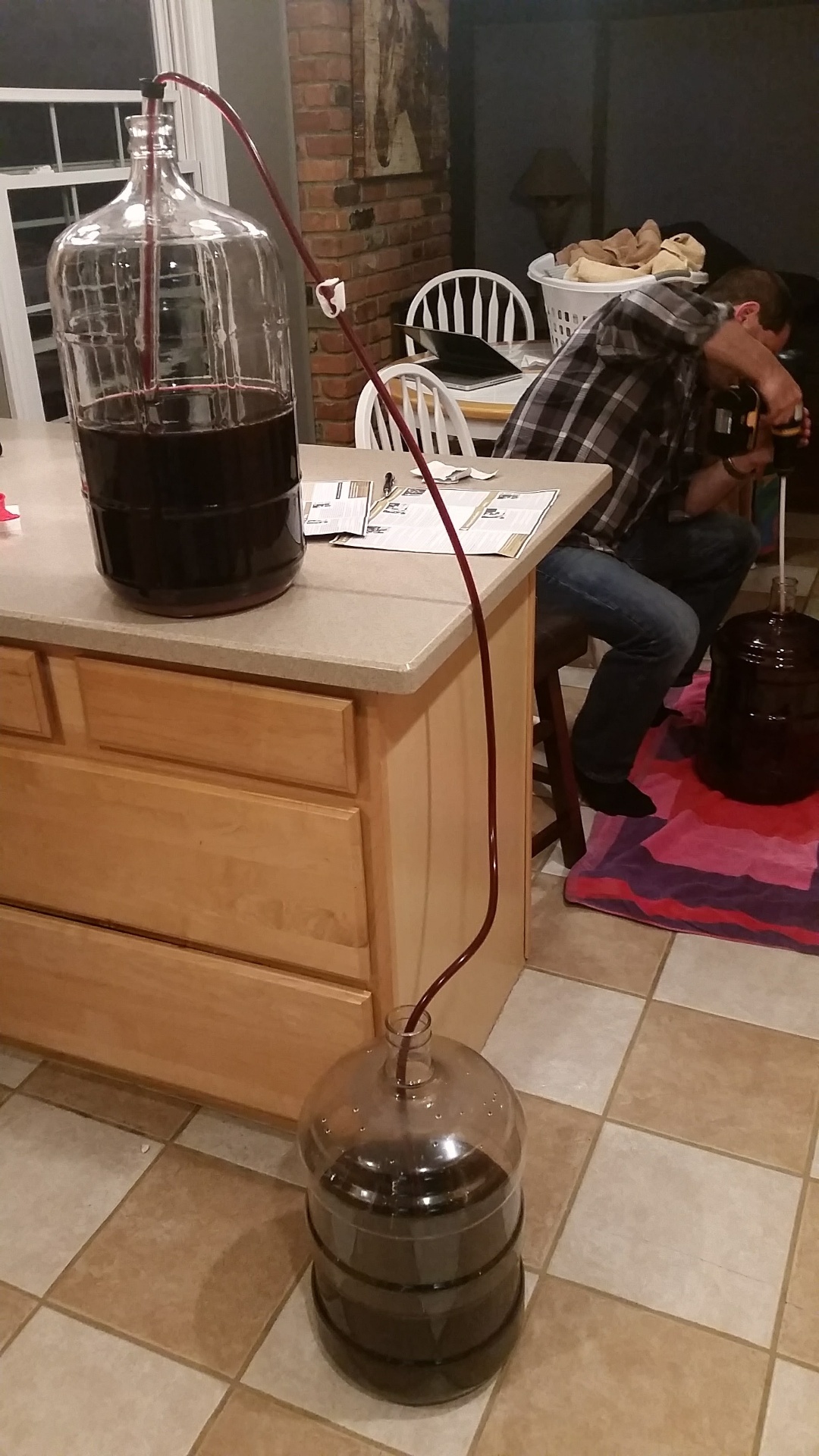
Racking is the word winemakers use for 'moving the wine from one container to another, leaving the gunk behind.' It sounds like a skill. It is barely a skill. It is gravity, a siphon, and the discipline to not wiggle anything.
If you are about to rack for the first time and you are nervous about it, take a breath. We're going to walk through the whole thing. By the end of this post you'll have done it in your head. After that, the real version takes maybe ten minutes.
Why we rack at all
When fermentation finishes, dead yeast cells, grape solids, and other sediment fall to the bottom of the fermenter in a layer called the lees. If you bottle wine that's still sitting on its lees, it will taste muddy, it will be cloudy, and the lees will end up in the bottom of every bottle. Racking gets the wine off that layer cleanly. That's the entire purpose.
Most kits have you rack at least twice — once from the primary bucket to a glass carboy, and once more later from carboy to carboy before bottling. Each racking leaves more sediment behind and the wine gets clearer.

The gear
Buy an auto-siphon. Do not try to do this with your mouth like the YouTube videos from 2008. An auto-siphon is a clear plastic tube inside a slightly bigger clear plastic tube, with a pump action — pull up once and the wine starts flowing. They cost about fifteen dollars. They are the single best fifteen dollars in this hobby.
Pair it with about six feet of clear vinyl tubing — the kind that fits the auto-siphon — and a clean, sanitized destination carboy on a lower surface than your source carboy. Gravity does the actual work. You're just steering.
Step by step
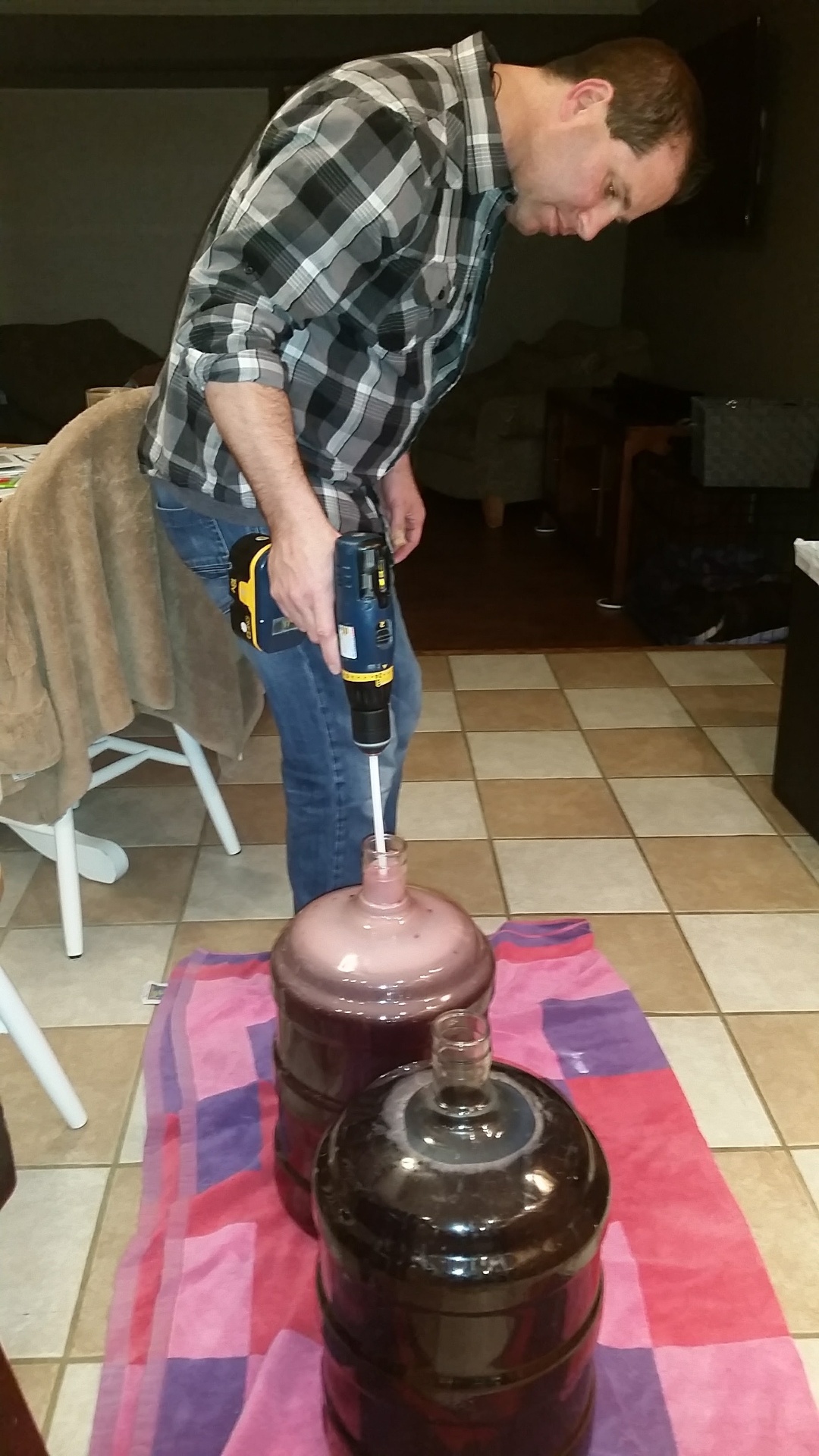
First — and we cannot stress this enough — sanitize everything that will touch the wine. The auto-siphon, the tubing, the destination carboy, the stopper, the airlock. Star San in a spray bottle, swirl, dump, you're good. Do not rinse.
Move the source carboy carefully to a counter or table. Let it sit undisturbed for at least an hour before you rack — any movement stirs up the lees, and the whole point is to leave them alone. Place the destination carboy on the floor, or at minimum a foot lower than the source. Gravity needs the drop.
Lower the auto-siphon into the source carboy. Hold it about an inch above the sediment line — you can usually see it as a darker ring at the bottom. Pump the siphon once or twice. Wine will start flowing through the tubing into the destination carboy. Hold the tube against the inside wall of the destination so the wine slides down rather than splashes — splashing introduces oxygen and you don't want that this late in the game.
Watch the source carboy. As the wine level drops, slowly tilt the source carboy to keep the auto-siphon submerged but still above the lees. When you start seeing sediment getting sucked up, stop. Pull the siphon out. The last cup of wine is sediment-heavy and not worth saving. Pour it down the drain. Sip the half-glass of clean wine you saved out for tasting. You have racked.
What to do next
Top up the destination carboy if there's headspace — too much air on the wine surface for weeks at a time will oxidize it. Top it with similar wine, or with marbles to take up volume, or with a smaller carboy if the math works out. Then put the airlock on, label the carboy with the date and what you did, and walk away.
That's it. That's racking. The first one feels like surgery. The tenth one is something you do while talking on the phone.
ShortcutSee Russ's full beginner supply bundle — every item, best price.