May 13, 2026 · 6 min read
Before there was a basement carboy, there was a shop in Northville where the owner did the hard part and we showed up with thirty bottles, a couple of friends, and an empty Saturday night.
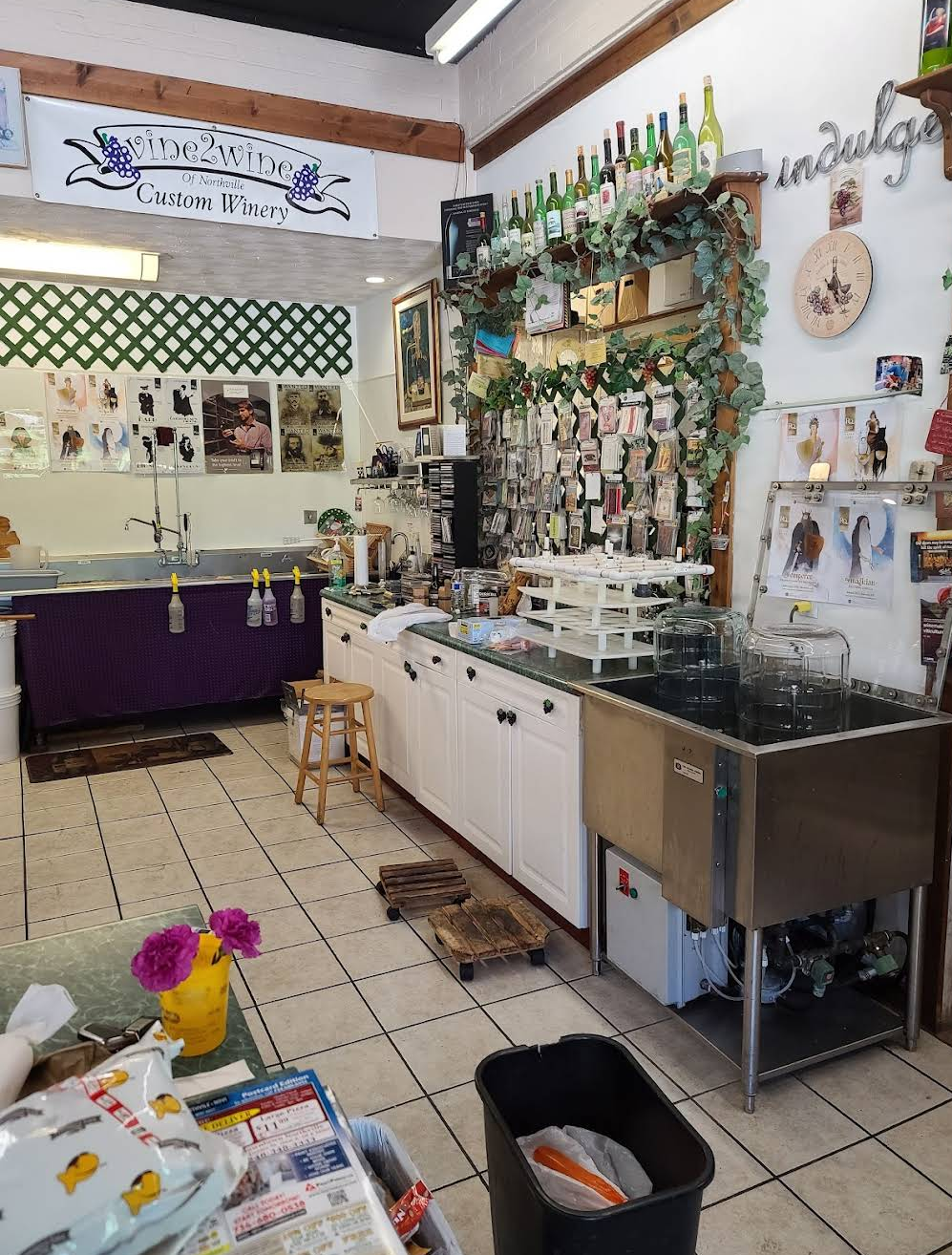
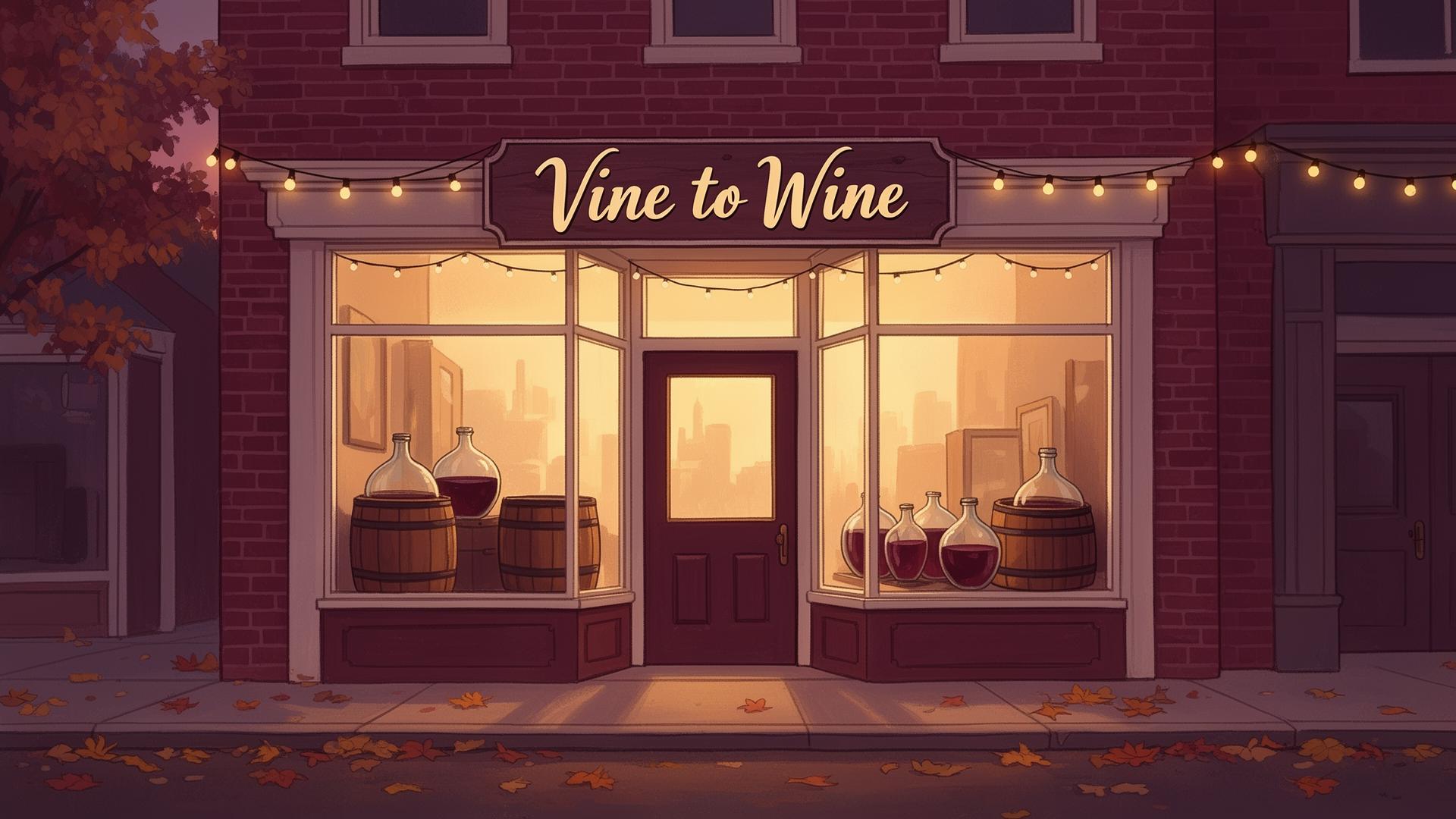
Before any of this — before the basement carboys, before the bottling-day blog posts, before a roll of blue painters tape ever met a Sharpie — there was a small shop in Northville, Michigan, called Vine to Wine. The owner's name was Mark. He's the reason we make wine at all.
Vine to Wine was a make-your-own-wine studio. You walked in, picked a juice or a kit off the shelf, and Mark did almost everything else — sanitized the carboys, pitched the yeast, ran the fermentation, racked it at the right gravity. A few weeks later he called to say it was ready, and you came back for bottling night. That was the whole pitch. It was a great pitch.
How it actually worked, legally
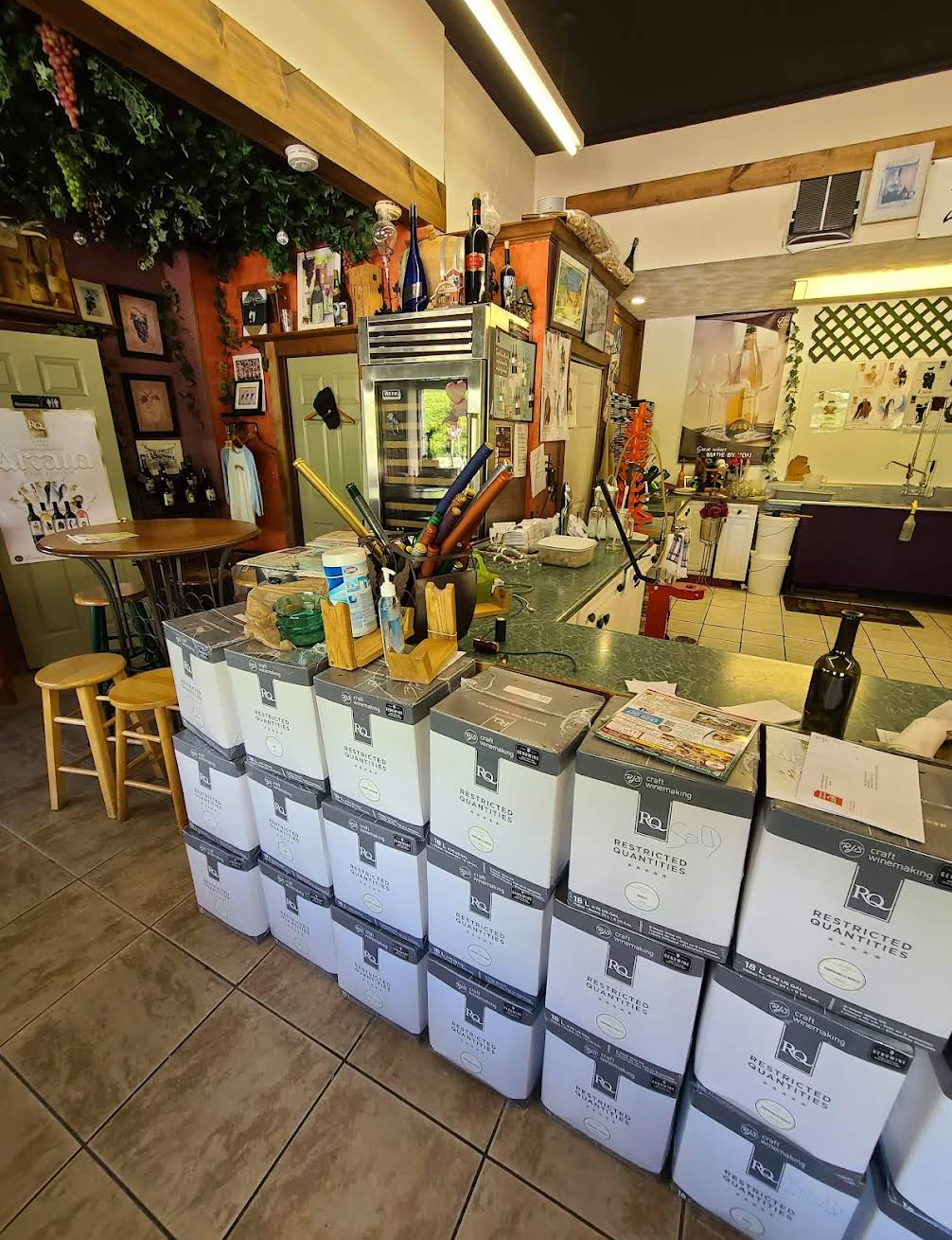
Mark didn't have an alcohol license. He couldn't sell us wine. So the deal was structured the only way it could be: we bought the juice from him, paid for the service of converting it into wine using his equipment in his location, and showed up at the end with our own empty bottles to take possession of the finished product. The wine was always ours, from the moment the juice was. He was a service provider, not a winery.
It is a clever structure. It's also the reason this kind of business exists at all in the U.S., and why it's much more common in Canada under the U-Vint name. If you've never heard of an on-premise winemaking shop, that is what they are.
Pick-the-kit night
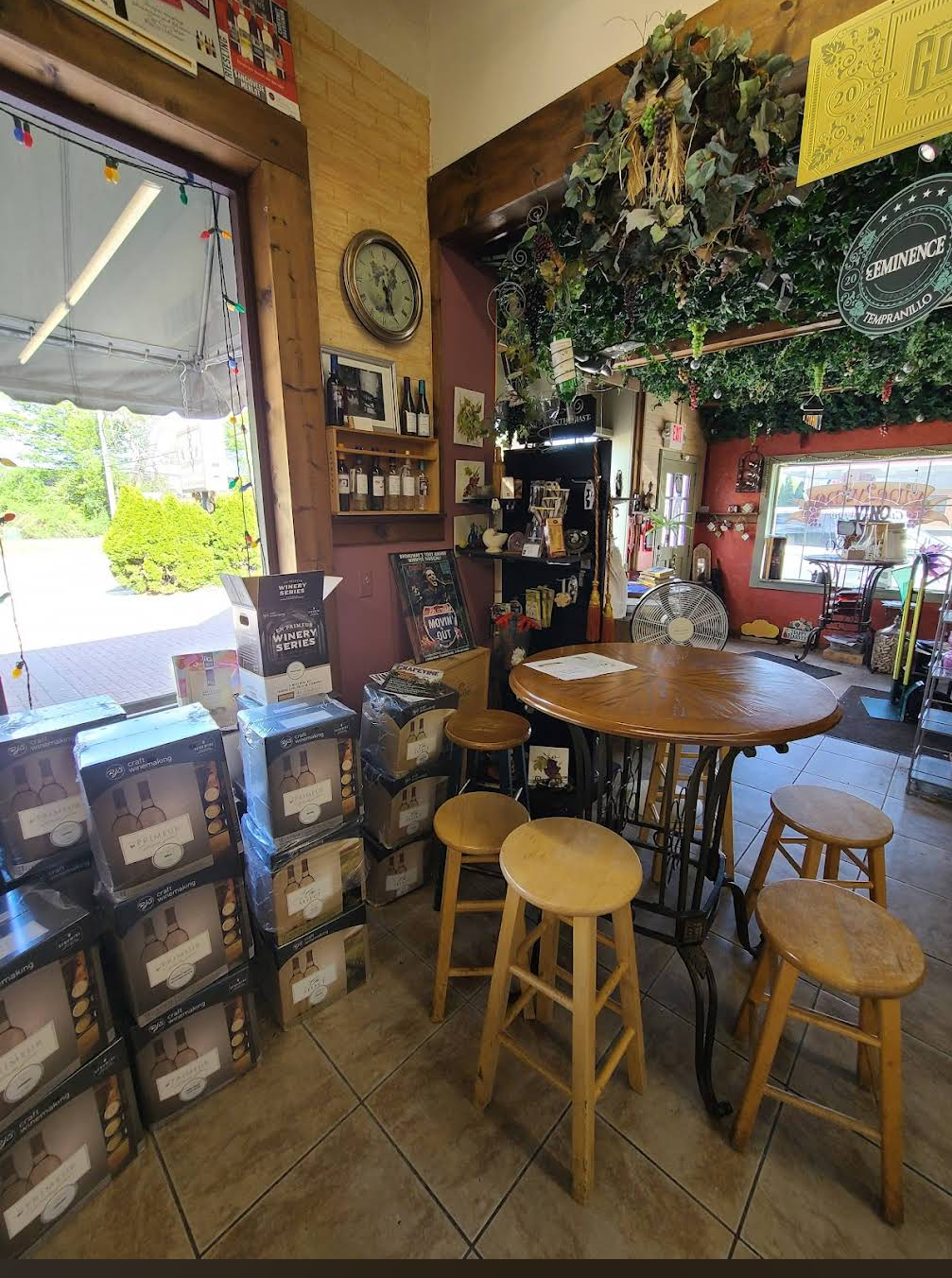
The first visit was the menu. Mark would walk us through the wall — Cabernet, Merlot, a Chianti-style blend, an Amarone-style for the patient, a Riesling kit for the summer. Whatever was being aged in the back at any given moment was open for tasting on the bar. You'd taste four or five wines, including ones that other customers had bottled the month before, and you'd pick yours. The whole thing felt like ordering a haircut, except the haircut was a six-week investment in a Cabernet.
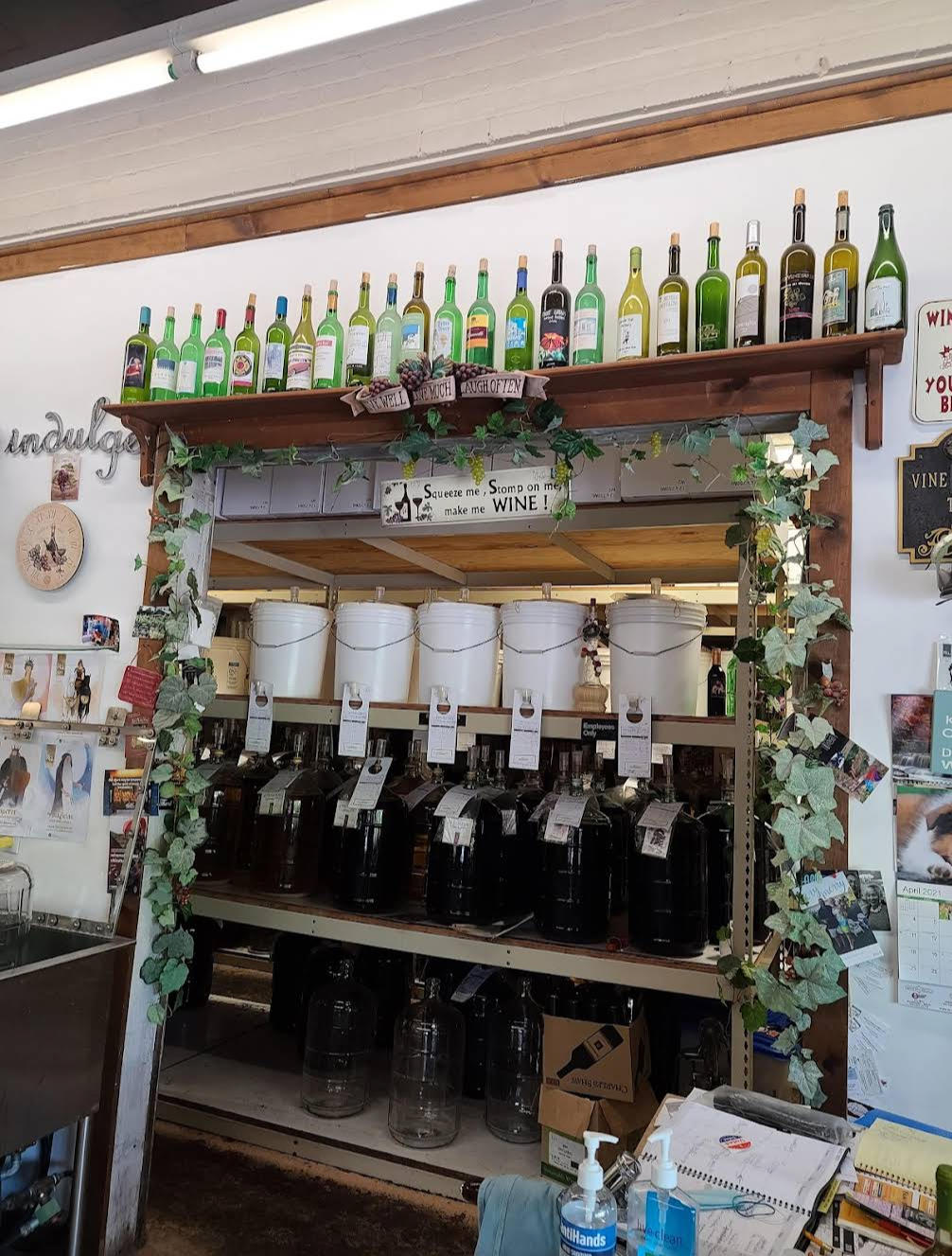
Then he'd start your batch. We'd often come in once or twice during fermentation just to look at the carboy with our name on it bubbling in the corner, the way you stop by the daycare to peek at your kid through the window.
Bottling night
Bottling night was the event. You'd get the call from Mark — the wine's ready, here are some Saturday dates, bring thirty clean bottles. My wife and I always came together. There was music. There was a bar with several wines open to taste — including, importantly, a sample of the wine you were about to bottle, so you knew what you were taking home.
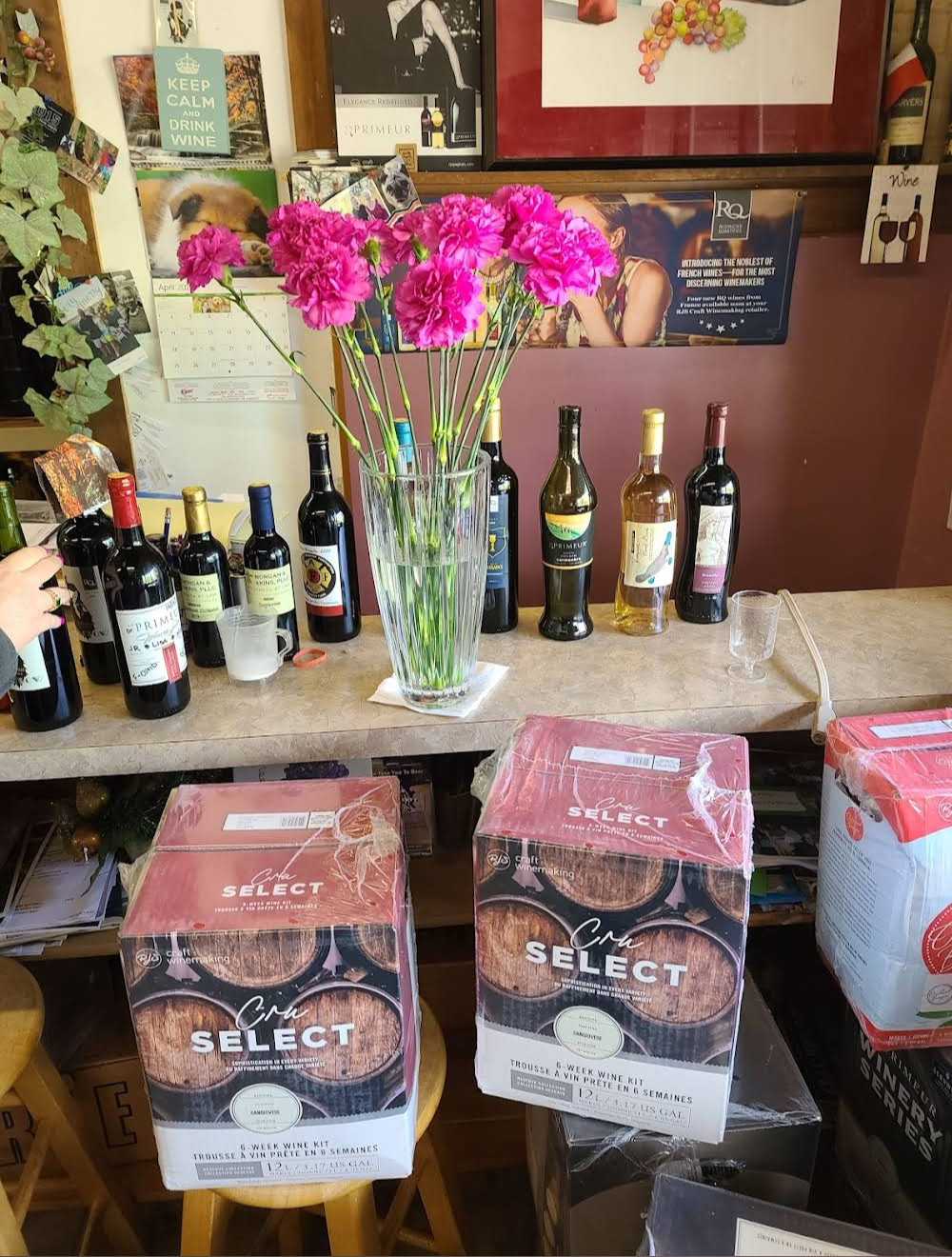
We brought the thirty bottles, scrubbed and sanitized in our bathtub the night before. (That ritual got its own blog post — linked below.) Mark would set up the floor corker, rack the wine into a bottling carboy, and we'd run the assembly line: fill, cork, label, case. A batch took about an hour at his place, and most of that hour was tasting and talking to whoever else was bottling that night. It felt less like work and more like a small, slightly tipsy dinner party.
The no-sulfite pitch
One of Mark's selling points was that wine made through his program had less added sulfite than commercial bottles. Commercial wineries dose with potassium metabisulfite to stabilize wine for the long shipping-and-shelving life it has to live. Mark's argument was that wine you'll drink within a year doesn't need that much, and the people who get headaches from cheap red wine often blame the sulfites.
We are not chemists, and we'll be honest: the science on sulfite headaches is more complicated than the marketing version. All wine contains some sulfites — yeast produces them naturally during fermentation. Histamines and tannins are bigger headache culprits for most people than sulfites are. But Mark's pitch wasn't wrong on the practical side: a wine you're going to drink in the next twelve months really doesn't need much added sulfite, and we've never had a headache off our own wine. Make of that what you will.
Why he closed and what the model deserves
We don't know the whole story of why Vine to Wine closed. Small specialty retail is hard, and a shop that lives or dies on people walking in to talk to a guy named Mark is especially hard. We were sad. We're still a little sad. But the thing he built didn't go away — it just lives in a hundred other shops in a hundred other towns, and a lot of people don't know they exist. That's why we put together a directory of make-your-own-wine studios — Vine to Wine is the first listing in it, marked closed but credited as the inspiration.
If you want to make wine but you're not ready to buy carboys and stir whips and a corker yet, find one of these shops near you and go. It is the gentlest possible on-ramp to the hobby. It is also a great date.
What it gave us
Mark gave us three things, and we still use all of them. He gave us confidence — once you've watched somebody do it, you stop being afraid of it. He gave us standards — the bathtub method, the bottle prep, the 'sanitize the moment before contact' habit, the patience to let a kit age. And he gave us the original case of bottles, scrawled on with a Sharpie because we hadn't gotten around to printing labels yet, that became Backup Wine years later.
If you are reading this and you knew Mark from Vine to Wine, send us an email. We'd love to send you a bottle. It's not the same Cabernet you sold us in 2016, but it's the same lineage.