February 11, 2025 · 7 min read
Skip the gimmicks. These five things would have saved us batches one through three.
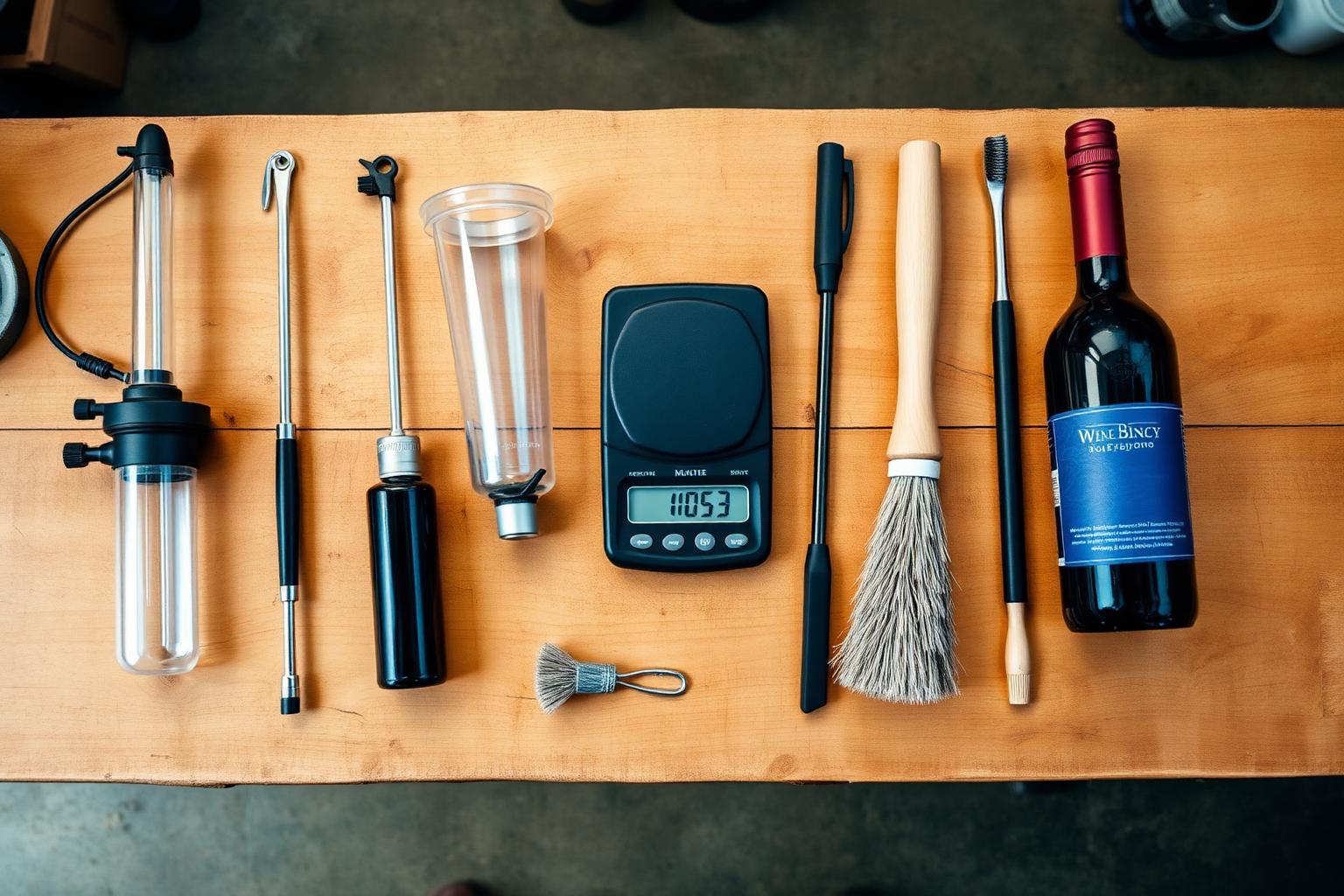
Every kit comes with a starter set of tools. Most of those tools are fine. A few of them are the equivalent of using a butter knife as a screwdriver — yes you can, no you shouldn't. We made the mistake of using everything in the box for our first three batches. We are now writing this post so you don't have to.
Here are the five upgrades that, in hindsight, we would have bought before batch one. None of them are exotic. All of them are under fifty dollars. Together they are the difference between 'this is fun' and 'why am I bleeding from my hand on a Saturday.'
1. An auto-siphon
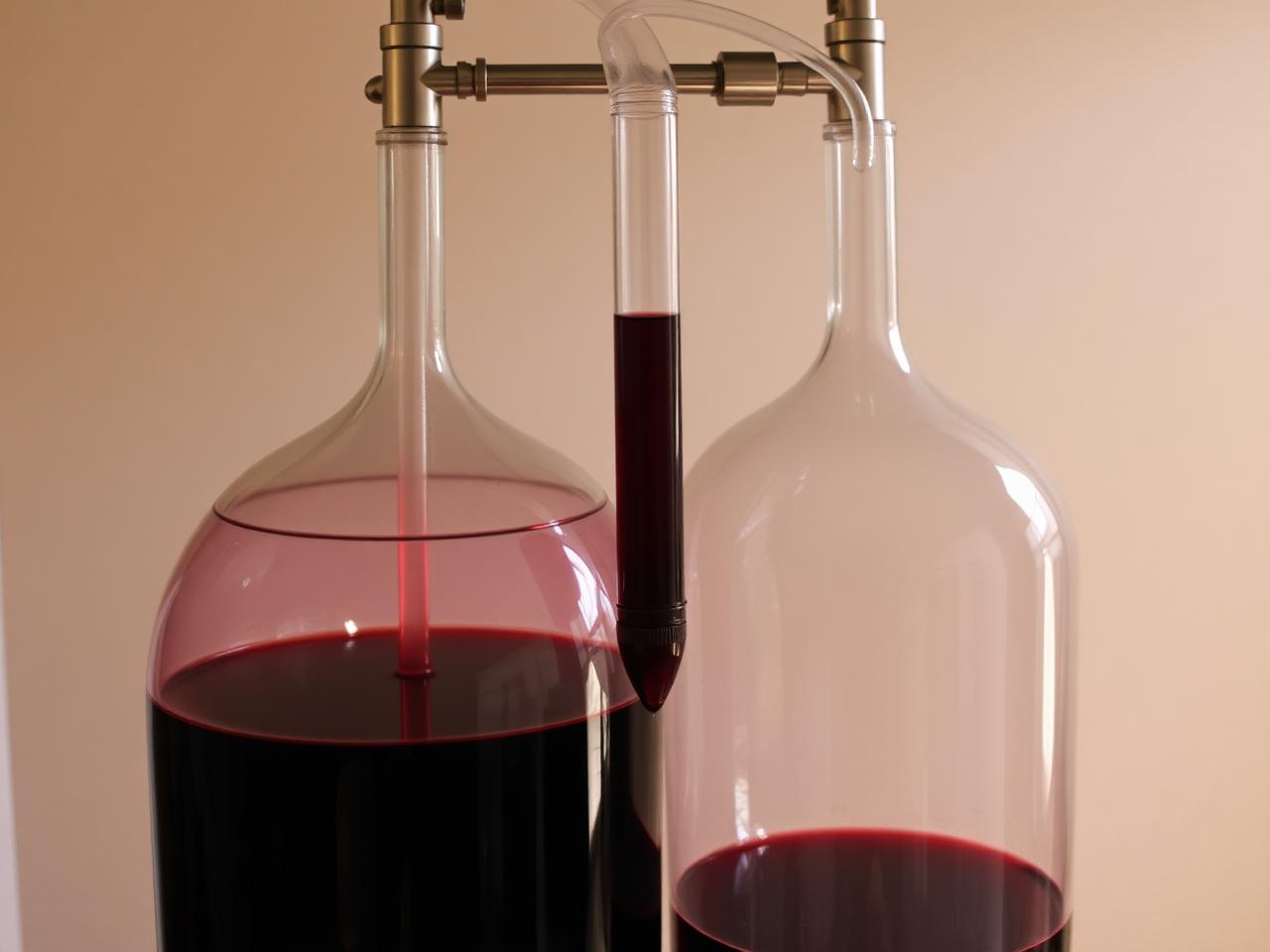
If your kit came with a length of plastic tubing and a vague suggestion to 'start the siphon by mouth' — please. Please throw it away. An auto-siphon is twenty dollars, takes ten seconds to use, sanitizes easily, and never once requires you to put a tube in your mouth that has been in a fermentation bucket. We cannot stress this enough.
2. A floor corker
We have written about this before and we will write about it again. The hand-held double-lever corker that comes in beginner kits will, on bottle eight, make you question every life choice that led you to that point. A floor corker is a one-pull, smooth, satisfying experience. Many homebrew shops will rent one for the day for the price of a sandwich.
3. A small digital scale
Your kit will tell you to add a quarter teaspoon of potassium metabisulfite, or 1.5g of yeast nutrient, or some other amount that a measuring spoon will absolutely lie to you about. A twelve dollar pocket scale that reads in tenths of a gram makes this an actual science instead of an actual guess.
4. A real wine thief
Pulling samples to test gravity with the auto-siphon is a hassle and a contamination risk. A dedicated wine thief — basically a long glass or plastic tube with a one-way valve — costs eight dollars and means you can pull a clean sample in five seconds without breaking your sanitized carboy seal in any meaningful way.
5. A heavy-duty bottle brush (and a carboy brush)
The brush in your kit is a token gesture. Get a real bottle brush with stiff bristles and a flexible neck, and a long carboy brush with a bent end. Cleaning a 6-gallon glass carboy with the wrong brush is a 45-minute job. With the right brush it is a 4-minute job. The math here is straightforward.
The whole list, ranked by regret
- Auto-siphon — every batch, twice a batch
- Floor corker — bottling day or rental
- Digital pocket scale — additions become exact
- Wine thief — clean samples in seconds
- Real carboy and bottle brushes — cleaning becomes painless
What we did NOT buy on day one
We will spare you the long list of gadgets that looked promising in a homebrew catalog and then sat on a shelf. Vinmetrica. Spinning aerators. Stir plates. Carboy carriers shaped like cartoon characters. None of it made better wine. The five things above made better wine. Spend there first.